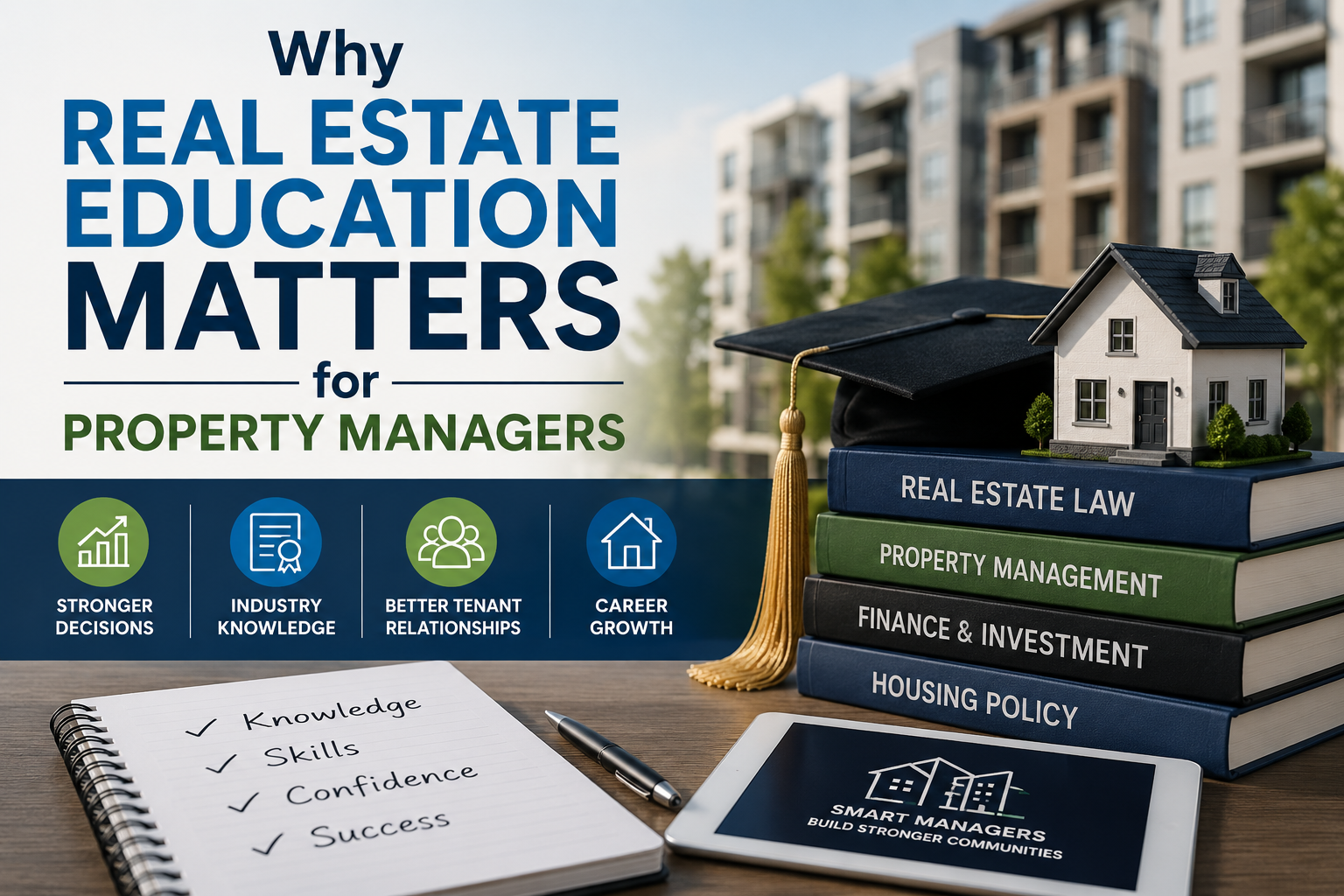
Property management is no longer just about collecting rent and maintaining buildings. Today’s property managers are expected to handle legal compliance, tenant relationships, budgeting, marketing, conflict resolution, housing regulations, and technology-driven operations. As the real estate industry evolves, proper education has become one of the most important tools for long-term success.
Whether managing residential apartments, commercial buildings, or affordable housing communities, property managers who invest in real estate education are better prepared to handle challenges, improve operational efficiency, and build stronger relationships with tenants and property owners.
Understanding the Modern Role of Property Managers
Property management has become increasingly complex in recent years. Property managers must now understand housing laws, leasing regulations, financial reporting, maintenance coordination, tenant screening, and government compliance programs.
According to property management industry resources, modern property managers are responsible for overseeing the operational, financial, and legal aspects of real estate assets.
Without proper education and training, it becomes difficult to manage properties efficiently while maintaining compliance with local and federal regulations.
Why Real Estate Education Is Important
1. Helps Property Managers Stay Legally Compliant
One of the biggest reasons real estate education matters is compliance. Housing laws and regulations continue to change, especially in affordable housing and HUD-related programs.
Property managers who stay educated can better understand:
- Fair housing regulations
- Lease agreements
- Tenant rights
- Safety requirements
- Eviction procedures
- Government housing compliance
Failing to follow regulations can lead to legal penalties, financial losses, and reputational damage.
Training programs and housing education platforms help professionals stay updated with industry standards and compliance requirements.
2. Improves Tenant Relationships
A successful property manager knows how to build positive tenant experiences. Education helps professionals improve communication, conflict resolution, and customer service skills.
When tenants feel heard and supported, they are more likely to:
- Renew leases
- Pay rent on time
- Respect property rules
- Recommend the property to others
Courses focused on resident concerns and tenant relations can help managers create healthier and more professional housing environments.
3. Increases Operational Efficiency
Educated property managers understand how to streamline operations and reduce costly mistakes.
Real estate education teaches professionals how to:
- Manage maintenance systems
- Improve budgeting
- Handle documentation properly
- Use property management software
- Track performance metrics
- Improve occupancy rates
Modern training programs also include technology integration, helping property managers adapt to digital tools and automated systems.
4. Enhances Career Opportunities
Property management is a growing industry with increasing demand for trained professionals. Education and certifications can open doors to better job opportunities, higher salaries, and leadership roles.
Professionals with specialized training often stand out because they demonstrate:
- Industry knowledge
- Professional commitment
- Leadership abilities
- Regulatory understanding
- Problem-solving skills
Employers and property owners prefer managers who understand both practical operations and legal responsibilities.
5. Builds Confidence in Decision-Making
Managing properties requires quick and informed decision-making. Real estate education gives managers the confidence to handle difficult situations professionally.
From handling tenant disputes to managing emergencies and financial planning, education provides the foundation needed to respond effectively under pressure.
This confidence directly impacts property performance and tenant satisfaction.
The Growing Need for Affordable Housing Education
Affordable housing management requires specialized knowledge. Programs related to HUD housing, tenant eligibility, compliance reporting, and government regulations can be highly detailed and technical.
This is why professional training providers have become essential for property managers working in affordable housing sectors.
E3 Housing has become a trusted resource for property managers, owners, and management companies looking to improve operational efficiency and stay compliant with federal housing regulations.
The company provides HUD compliance training, webinars, consulting services, and online courses designed specifically for affordable housing professionals. According to their platform, E3 Housing focuses on simplifying complex housing regulations through practical and accessible training solutions.
Their educational programs help professionals understand real-world housing challenges while improving compliance and tenant management practices.
Online Learning Is Transforming Property Management Education
One of the biggest changes in the industry is the growth of online education. Busy property managers can now access flexible courses, webinars, and certifications from anywhere.
Online real estate education offers:
- Flexible schedules
- Self-paced learning
- Cost-effective training
- Updated industry information
- Practical case studies
Platforms offering online housing and compliance training allow professionals to continue learning without interrupting daily operations.
Key Skills Property Managers Learn Through Education
Real estate and property management education helps professionals develop valuable skills such as:
- Financial management
- Lease administration
- Tenant communication
- Risk management
- Maintenance coordination
- Fair housing compliance
- Conflict resolution
- Leadership and organization
These skills are essential for creating efficient and profitable property operations.
Why Continuous Learning Matters
The real estate industry constantly changes due to new regulations, technologies, and market conditions. Property managers who stop learning often struggle to adapt.
Continuous education helps professionals stay competitive and prepared for future industry trends.
Learning opportunities such as webinars, certifications, workshops, and compliance training allow property managers to improve their expertise year after year.
You can explore specialized housing compliance and property management training through E3 Housing Training Courses for professional development and industry-focused education.
Final Thoughts
Real estate education is no longer optional for property managers — it is essential. Proper training improves compliance, operational efficiency, tenant satisfaction, and overall property performance.
As the housing industry becomes more competitive and regulated, educated property managers will continue to have a major advantage. Investing in professional learning not only strengthens individual careers but also helps create better housing experiences for tenants and property owners alike.
Whether you are new to property management or an experienced professional, continuous education can help you stay ahead in a rapidly evolving industry.